



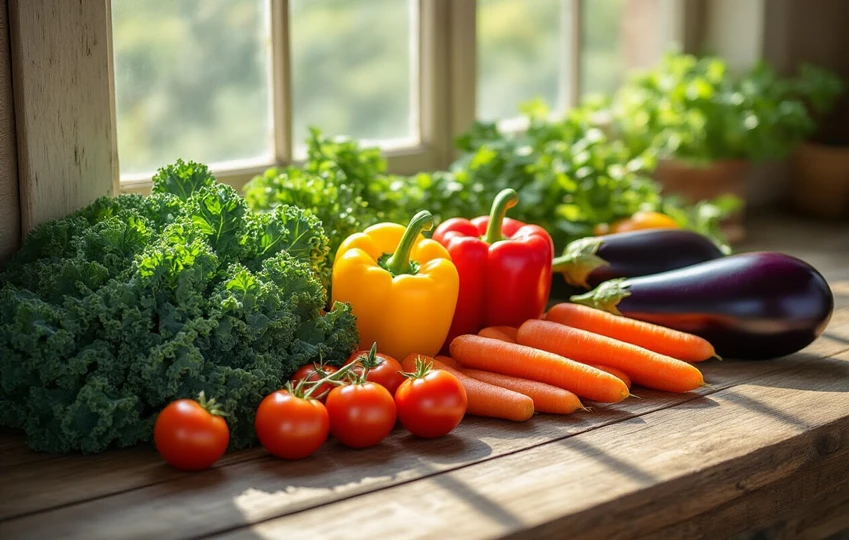
Reduced exposure to harmful pesticides and chemicals Conventional farming relies heavily on synthetic pesticides, herbicides, and fungicides to protect crops from pests and diseases. These chemicals leave residues on fruits and vegetables that we consume daily. Organic produce offers a significant advantage by drastically reducing your exposure to these potentially harmful substances. Studies consistently show that organic foods contain 70% fewer pesticide residues compared to conventionally grown produce. The Environmental Working Group's annual "Dirty Dozen" list highlights foods with the highest pesticide contamination, including strawberries, spinach, and apples. Choosing organic versions of these items can dramatically lower your chemical intake. The health implications of pesticide exposure extend beyond immediate concerns. Research links long term exposure to certain pesticides with increased risks of neurological disorders, reproductive issues, and some cancers. Children are particularly vulnerable due to their developing nervous systems and higher food consumption relative to body weight. Organic farming prohibits synthetic pesticides, instead using natural pest management strategies like beneficial insects, crop rotation, and botanical extracts. This approach creates cleaner produce that supports your body's natural detoxification processes without adding unnecessary chemical burden. Higher nutritional content and antioxidant levels Organic produce often packs a more nutritious punch compared to conventional alternatives. Multiple research studies reveal that organically grown fruits and vegetables contain higher levels of essential nutrients and beneficial plant compounds. Antioxidants deserve special attention in this comparison. Organic crops typically contain 20-40% more antioxidants, including flavonoids, phenolic acids, and vitamin C. These compounds fight harmful free radicals in your body, reducing inflammation and supporting cellular health. The difference stems from organic plants' need to produce their own defensive compounds without synthetic chemical protection. Key nutritional advantages include: Higher vitamin C content: Organic tomatoes and peppers show significantly elevated vitamin C levels Increased mineral density: Better soil health in organic systems leads to more nutrient-dense produce Enhanced beneficial plant compounds: Organic blueberries contain more anthocyanins, while organic onions have higher quercetin levels Better fatty acid profiles: Organic dairy and meat products contain more omega-3 fatty acids The nutritional differences result from organic farming's focus on soil health. Healthy, biologically active soil creates an environment where plants can access and absorb nutrients more effectively, translating into more nutritious food on your plate. Lower risk of antibiotic-resistant bacteria Conventional livestock operations routinely use antibiotics to prevent disease and promote growth in crowded conditions. This practice contributes to the development of antibiotic-resistant bacteria, creating a serious public health threat that affects everyone. Organic farming standards prohibit the routine use of antibiotics in healthy animals. Livestock must be raised without antibiotics for growth promotion or disease prevention, and any animal requiring antibiotic treatment loses its organic certification. This approach significantly reduces the development and spread of resistant bacterial strains. The benefits extend beyond the farm gate. Organic meat and dairy products carry lower levels of antibiotic-resistant bacteria compared to conventional products. When you choose organic animal products, you're supporting farming practices that help preserve antibiotic effectiveness for human medicine. Research shows that people who consume organic foods have lower levels of antibiotic-resistant bacteria in their digestive systems. This difference can protect you and your family from harder-to-treat infections while supporting the broader fight against antimicrobial resistance. Organic standards also require better living conditions for animals, including access to outdoor areas and higher welfare standards. Healthier animals naturally require fewer medical interventions, creating a positive cycle that benefits both animal welfare and human health

Fast shipping all across the country

100% Authentic products

We ensure secure transactions

We ensure quality support

Explore thousands of quality products, exclusive deals, and fast delivery options tailored just for you.

 English
 Hindi
Hindi