 English
 Hindi
Hindi















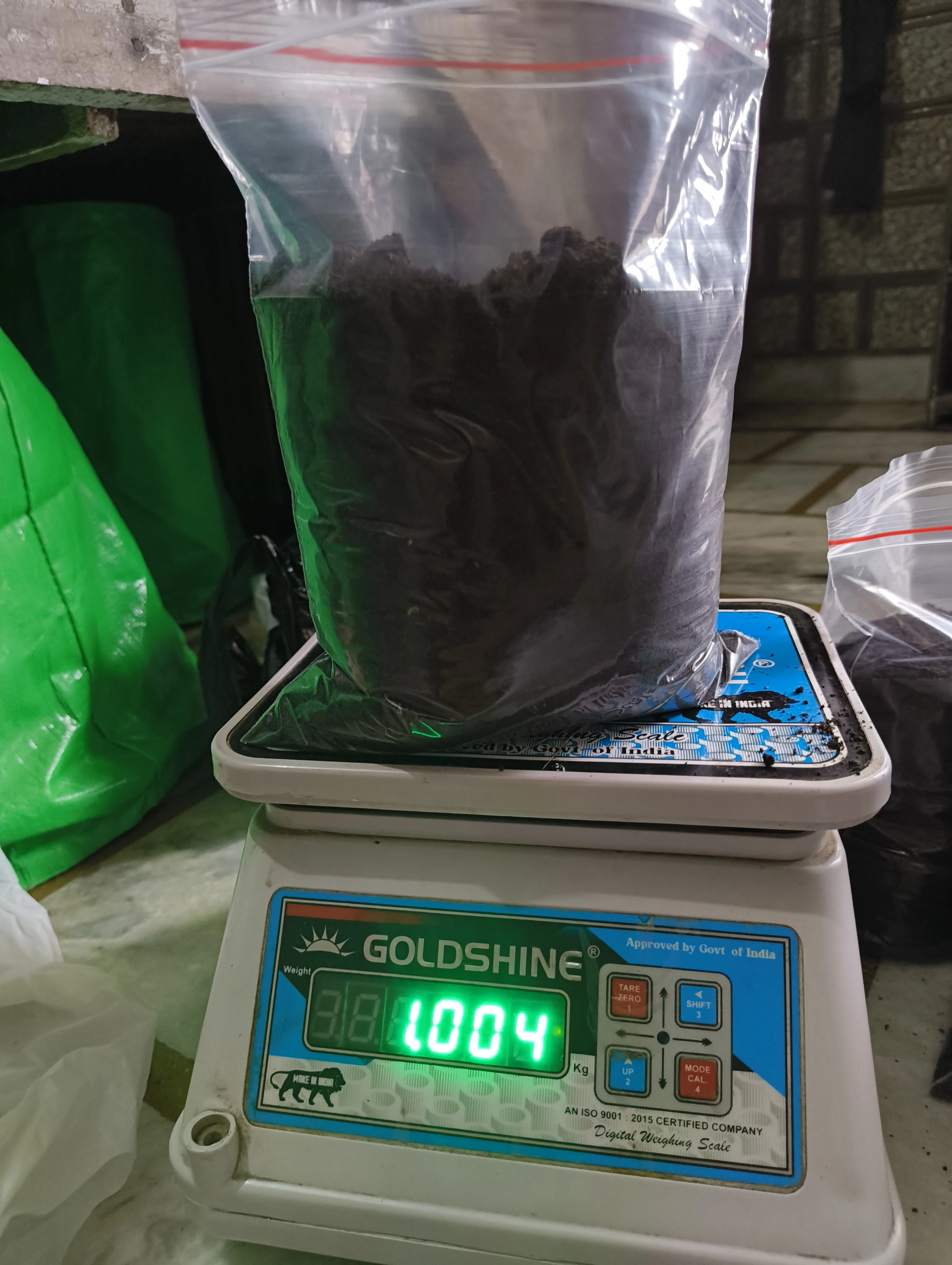
Details description |
|---|
|
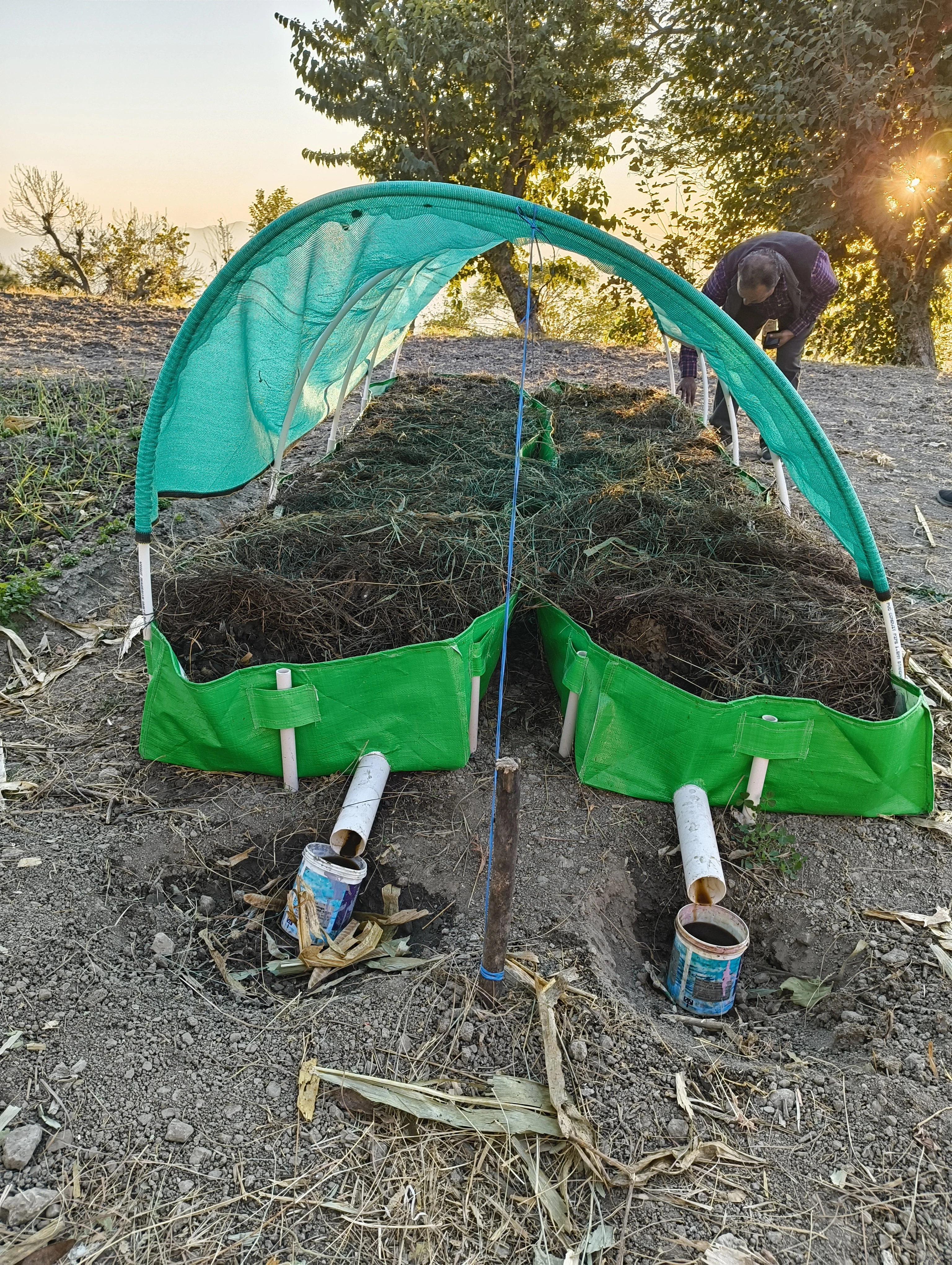
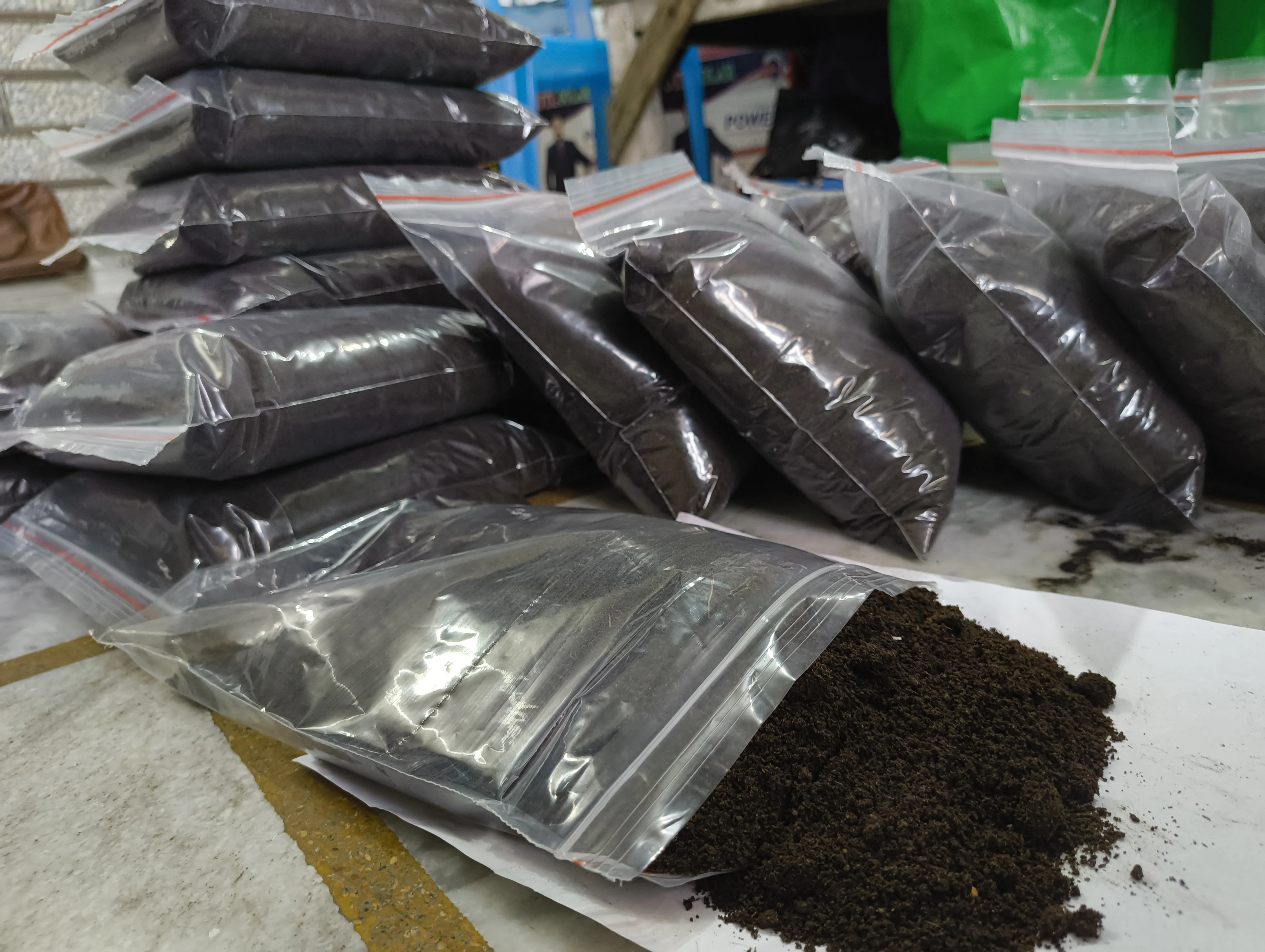
Natural fertilizers represent a class of organic materials sourced from various origins, including animal excretions, decaying plant material, and naturally occurring minerals. These fertilizers play a crucial role in enhancing the overall quality and health of soil. One of the primary benefits of natural fertilizers lies in their ability to improve the structure of the soil. They achieve this by binding soil particles together, creating a more porous and well-aerated environment that is conducive to root growth and water infiltration. In addition to structural improvements, natural fertilizers actively promote the growth and activity of beneficial microorganisms within the soil. These microbes contribute to nutrient cycling, organic matter decomposition, and overall soil fertility. A key characteristic of natural fertilizers is their slow-release mechanism for nutrients. Unlike synthetic fertilizers that deliver a rapid burst of nutrients, natural fertilizers gradually release nutrients over an extended period. This slow release helps to prevent nutrient leaching and ensures a sustained supply of essential elements for plant uptake. Some common examples of natural fertilizers include manure, which is derived from animal waste, compost, which is made from decomposed organic matter, bone meal, which is a source of phosphorus, and rock phosphate, which is another source of phosphorus and other trace minerals. In comparison to synthetic fertilizers, natural fertilizers offer a more environmentally sound and sustainable approach to plant nutrition. Synthetic fertilizers, while providing readily available nutrients, can contribute to environmental problems such as nutrient runoff and soil degradation. Natural fertilizers, on the other hand, minimize these risks by releasing nutrients slowly and improving soil health over the long term. By enhancing soil structure and promoting microbial activity, natural fertilizers contribute to the development of resilient and fertile soils that can support sustainable agricultural practices. However, it is important to acknowledge that natural fertilizers typically have lower nutrient concentrations compared to synthetic fertilizers. This means that a larger quantity of natural fertilizer may be required to meet the nutrient demands of plants. Furthermore, the rate at which natural fertilizers release nutrients can be slower than that of synthetic fertilizers. This slower release may necessitate careful management strategies to ensure that plants receive an adequate supply of nutrients throughout their growth cycle. Factors such as soil temperature, moisture levels, and microbial activity can influence the rate of nutrient release from natural fertilizers. Ultimately, the decision of whether to use natural or synthetic fertilizers depends on a variety of factors, including the specific nutrient requirements of the crop being grown, the existing conditions of the soil, and the overall environmental considerations. A holistic assessment of these factors is essential for making an informed choice that promotes both plant health and environmental sustainability. |

No review yet!